

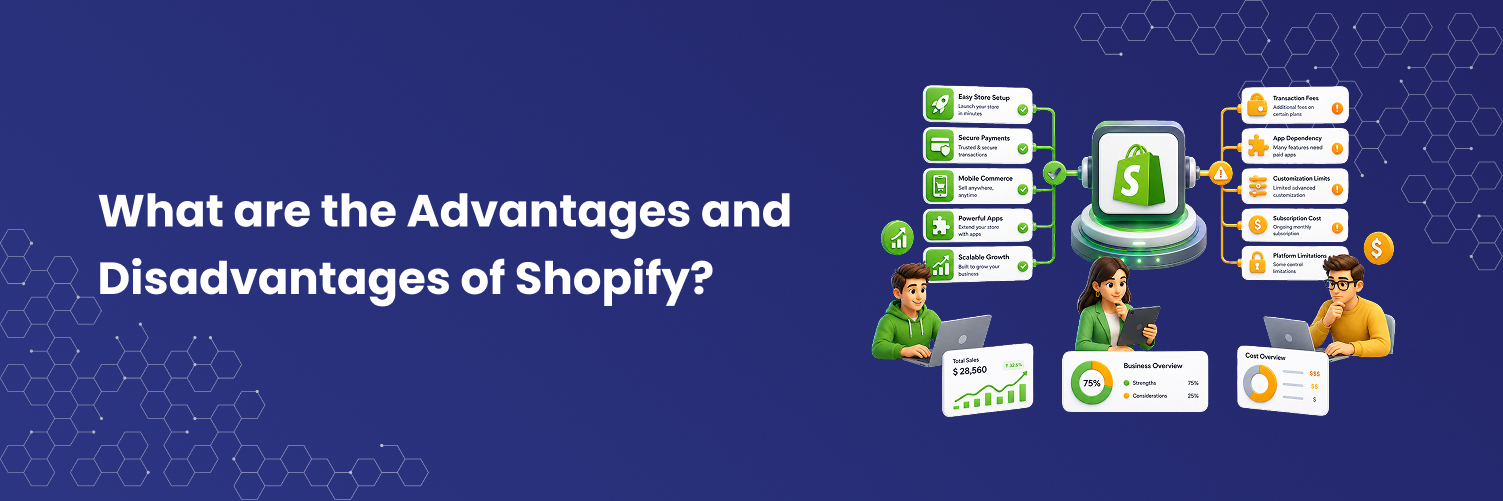
Shopify has become one of the most popular platforms for entrepreneurs and businesses looking to sell products online. Known for its user-friendly interface and powerful features, it’s an appealing option for many e-commerce store owners. However, like any tool, Shopify comes with both its advantages and drawbacks.
In this blog post, we’ll dive into the key benefits and limitations of using Shopify, helping you determine if it’s the right platform for your online business.
What is Shopify?
Shopify is a leading e-commerce platform designed to help individuals and businesses create, manage, and grow their own online stores. Launched in 2006, Shopify has become a cornerstone in the e-commerce industry, supporting over a million businesses worldwide. It offers a comprehensive solution for setting up an online store, from website design and customization to payment processing, inventory management, and shipping. With its robust features and user-friendly interface, Shopify caters to both beginners and seasoned entrepreneurs.
How Does Shopify Work?
Cloud-Based and Subscription Model: Shopify is a cloud-based platform, so you don't have to manage hosting, software updates, or server maintenance. Simply sign up and access the platform's dashboard to handle all your store's operations.
- Store Customization: Select from a wide range of themes and easily personalize your store's design using a simple drag-and-drop editor.
- Product Management: Easily add, organize, and price products, manage inventory, and create different product collections to better showcase your offerings.
- Payment Processing: Set up multiple payment methods, including credit cards, PayPal, and Shopify Payments, to provide flexible payment options for your customers.
- Order and Fulfillment Management: Track customer orders, manage shipping, and streamline returns for a smooth shopping experience.
- Marketing and SEO Tools: Take advantage of built-in marketing features and search engine optimization (SEO) tools to attract more visitors and boost traffic to your online store.
- Analytics and Reporting: Keep track of your store's performance with in-depth reports and analytics to optimize operations and sales strategies.
Third-Party Integrations: Shopify seamlessly integrates with a variety of third-party apps and services, giving you the flexibility to further customize your store and enhance its functionality.
Pros of Shopify
Ease of Use
Ease of Use
Shopify is renowned for its user-friendly interface, making it easy for anyone, even those without technical expertise, to set up and manage an online store. The setup process is simple, and the drag-and-drop functionality allows for effortless design, product addition, and order management. Shopify also provides detailed guides and video tutorials to assist you in getting started smoothly.
Customization
Shopify offers a range of customization options to help you create a personalized online store that aligns with your brand. With a variety of themes and templates to choose from, you can easily adjust colors, fonts, and layouts through the theme editor without needing to know how to code. If you have coding knowledge, you can leverage Shopify’s proprietary coding language, Liquid, to fine-tune your store’s design and functionality for more advanced customizations.
Range of Themes
Shopify’s theme store features a broad selection of professionally designed templates that cater to various industries and aesthetics. Whether you’re running a fashion store, tech shop, or beauty boutique, you’ll find a theme suited to your needs. Additionally, all themes are mobile-responsive, ensuring your store looks great on smartphones and tablets an essential feature in today’s mobile-dominated online shopping landscape.
Shopify Apps and Plugins
The Shopify App Store offers an extensive collection of apps and plugins that can enhance your store’s functionality. Whether you need tools for SEO, inventory management, marketing automation, or customer support, there’s an app available to meet your needs. These apps allow you to expand your store’s capabilities with features like advanced analytics, email marketing, and social media integration, among others. You’ll find both free and paid options, giving you the flexibility to choose based on your requirements and budget.
Hosting & Security
With Shopify, you don’t have to worry about web hosting or security. The platform handles all hosting on its secure servers, ensuring fast loading times, reliable uptime, and robust security. Shopify takes care of server maintenance and regularly updates its security features, so you can focus on running your business. Additionally, Shopify is PCI DSS compliant, which means it meets the highest standards of payment security to protect your customers’ payment information.
SEO and Marketing
Shopify comes equipped with a variety of built-in SEO tools to help improve your online store's visibility in search engine results. The platform automatically generates SEO-friendly URLs, meta descriptions, and sitemaps, making it easier for search engines to index your site. Shopify also includes numerous marketing tools to help you attract and retain customers, such as email marketing integrations, social media sharing options, discount codes, and abandoned cart recovery. The platform also provides in-depth analytics to monitor your marketing efforts and optimize your strategies.
Customer Support
Shopify offers 24/7 customer support through phone, email, and live chat, making it easy for store owners to get help whenever they need it. Whether you’re a new entrepreneur or a seasoned business owner, Shopify’s support team is always available to assist you with any issues. The platform also features a comprehensive help center with guides, tutorials, and a community forum where you can find solutions to common problems and connect with other Shopify users.
Cons of Shopify
Pricing
Shopify offers several pricing plans tailored to different business needs, but the costs can add up quickly, particularly for small businesses. In addition to the monthly subscription fee, you'll need to account for transaction fees (unless you use Shopify Payments), as well as any additional costs for premium apps or themes. For businesses operating on tight margins, these additional expenses can become significant. It's crucial to carefully assess your budget and factor in all potential costs before committing to a Shopify plan.
Challenges with Content Marketing
Shopify’s blogging capabilities are more basic compared to platforms like WordPress. While you can create and manage blog posts, the content management features are not as advanced. For businesses that rely on content marketing to drive traffic, this may be a limitation. Implementing complex content strategies or creating sophisticated content structures within Shopify could be challenging. However, you can integrate Shopify with a more feature-rich content management system (CMS) like WordPress to overcome these limitations, though it does add complexity to your store setup.
Limited Customization
Although Shopify offers considerable customization options, it can be restrictive for users who want full control over their site's code. Shopify uses its own coding language, Liquid, which may require time to learn if you're accustomed to other languages like HTML, CSS, or JavaScript. Additionally, some features of Shopify are somewhat rigid, meaning that implementing certain custom functionalities or integrations might require workarounds or additional tools.
Absence of Email Hosting
Shopify does not provide built-in email hosting, which means you’ll need to rely on a third-party service to create a professional email address for your store (e.g., [email protected]). While this isn’t a major issue, it does add an extra layer to your setup process and incurs additional costs.
Difficult Exit
If you decide to migrate your store from Shopify to another platform, the process can be complex and time-consuming. Transferring your products, customer data, order history, and other essential information requires careful planning. If not done correctly, it could result in downtime or data loss. Before committing to Shopify, it's important to consider the long-term implications and ensure that it aligns with your business goals, as switching platforms later on could be challenging.
Wrap Up
Shopify is a versatile and easy-to-use e-commerce platform, packed with a wide range of features designed to help you create and grow your online store. Its intuitive interface, powerful customization options, diverse theme selection, and strong security make it an appealing choice for entrepreneurs. However, it's important to consider the costs and potential limitations, especially if you need advanced customization or advanced content marketing tools.
By reviewing the pros and cons discussed in this post, you'll be better prepared to decide if Shopify is the right fit for your e-commerce business. Whether you're just starting your online journey or aiming to scale an established store, Shopify offers the essential tools and support to help you thrive in the competitive world of online retail.