

Revolutionizing Online Shopping with Augmented Reality (AR)
Augmented Reality (AR) has emerged as a crucial technology in transforming the online shopping landscape. By overlaying virtual elements onto the real world, AR has the potential to significantly enhance the online shopping experience. In this article, we will explore the various ways AR can elevate online shopping and its impact on consumer decision-making.
Understanding the Basics of Augmented Reality (AR)
Before delving into the role of AR in online shopping, it's important to grasp the fundamentals of this innovative technology. Augmented Reality combines digital information with the real world in real-time. Using AR-enabled devices such as smartphones or smart glasses, users can view computer-generated images superimposed onto their physical surroundings.
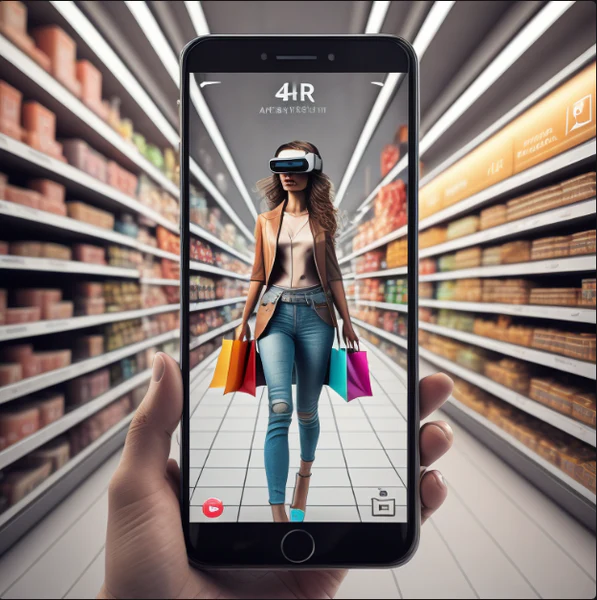
In recent years, Augmented Reality (AR) has gained considerable momentum, aiding various industries in enhancing productivity, training, and customer experiences. However, the e-commerce sector presents a realm of limitless possibilities for AR.
Imagine the ability to virtually try on clothes before making a purchase or visualizing how a piece of furniture would fit in your living room, all from the comfort of your home. These scenarios illustrate how AR is transforming the online shopping experience. Retailers are increasingly incorporating AR technology into their websites and applications to offer customers interactive and immersive shopping experiences.
Moreover, AR extends beyond product visualization. It can improve customer support by providing virtual guides or tutorials for effectively using a product. This level of interactivity fosters trust with customers, which can ultimately lead to higher sales and increased brand loyalty. As technology progresses, the opportunities for AR in e-commerce are truly limitless.
The Evolution of Online Shopping

Online shopping has significantly progressed since its beginnings. What started as a simple method for purchasing goods and services over the internet has transformed into a multibillion-dollar industry. The convenience, accessibility, and vast selection of options available through online shopping have attracted millions of consumers worldwide.
However, despite its success, online shopping still encounters certain limitations when compared to traditional brick-and-mortar stores. A notable drawback is the lack of physical interaction with products, which can make it challenging for consumers to make well-informed purchasing decisions. This is where Augmented Reality (AR) steps in to bridge the gap between the virtual and physical worlds.
AR technology has revolutionized the online shopping experience by enabling customers to visualize products in their own environments using their smartphones or other devices. This innovative technology overlays computer-generated images onto the real world, providing shoppers with a more immersive and interactive way to explore products before making a purchase. From virtually trying on clothing to placing digital furniture in their living rooms, AR has transformed how consumers engage with online shopping.
Additionally, the evolution of online shopping has led to the emergence of personalized recommendations and targeted advertising. E-commerce platforms now utilize sophisticated algorithms to analyze customer data and behavior, allowing them to suggest products tailored to individual preferences. This level of customization not only enhances the shopping experience for consumers but also helps businesses boost sales and customer loyalty. By harnessing big data and machine learning, online retailers can craft a more personalized and engaging shopping journey for each visitor.
Integrating AR Technology into E-Commerce Platforms
Many e-commerce platforms have recognized the vast potential of AR and are integrating this technology into their websites and mobile applications. By leveraging AR, online retailers can create immersive and interactive shopping experiences for their customers.
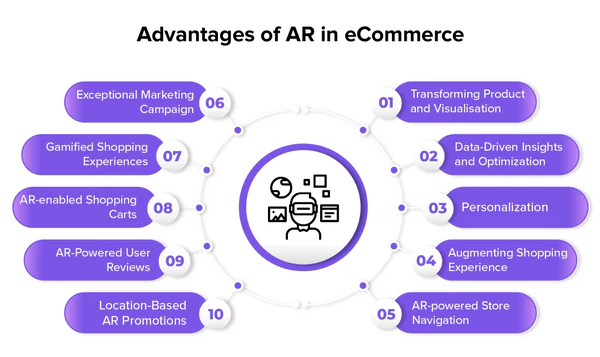
AR technology allows users to visualize products in their own environment before making a purchase. For instance, a furniture retailer can use AR to place a virtual couch in a customer's living room, providing a realistic sense of how it will look and fit. This eliminates guesswork and boosts confidence in purchasing decisions.
Moreover, AR can enhance customer engagement and brand loyalty for e-commerce platforms. By offering unique AR experiences—like virtual try-ons for clothing or makeup—retailers can create a more personalized and memorable shopping journey. This not only increases customer satisfaction but also encourages repeat purchases and referrals.
Additionally, integrating AR technology into e-commerce platforms can yield valuable data insights for retailers. By analyzing customer interactions with AR features—such as which products they try on virtually or how long they spend exploring AR content—retailers can gain deeper insights into consumer preferences and behavior. This data can then be used to optimize product offerings, marketing strategies, and the overall user experience.
Enhancing Product Visualization with AR
One of the most significant advantages of AR in online shopping is its ability to enhance product visualization. AR enables customers to view products from all angles, zoom in for a closer look, and interact with virtual features.
For example, a fashion retailer can implement AR to create virtual fitting rooms, allowing customers to try on clothes virtually. This not only saves time and eliminates the hassle of returning ill-fitting items but also offers a more personalized and engaging shopping experience.
Furthermore, AR technology can showcase product details and specifications interactively. Customers can point their smartphones at a product to instantly access information such as materials, dimensions, available colors, and customer reviews. This interactivity empowers customers to make informed purchasing decisions and enhances their overall shopping experience.
AR can also transform the online shopping experience for home decor. By superimposing virtual furniture and decor items into a customer’s living space via their device's camera, AR allows them to visualize how products will look in their home before making a purchase. This immersive experience helps customers make confident buying decisions and reduces the likelihood of returns due to mismatched styles or sizes.
Personalizing the Online Shopping Journey through AR
Personalization is crucial for enhancing online shopping experiences, and AR can play a significant role. By analyzing user data and preferences, AR can offer personalized product recommendations and suggestions.
Imagine browsing an online store where AR technology identifies your style preferences based on previous purchases or social media interactions. It could suggest similar items or showcase how those products would look on you through virtual try-ons. This level of personalization creates a more tailored and enjoyable shopping journey.
Additionally, AR can revolutionize customer interactions with products. It allows customers to visualize the size, scale, and functionality of an item in their own environment before making a purchase. This immersive experience bridges the gap between online and physical shopping, instilling confidence and reducing the likelihood of returns.
AR's Impact on Consumer Decision-Making
AR has the potential to transform consumer decision-making in online shopping. By providing a more immersive and engaging experience, AR can instill confidence and alleviate doubts consumers may have about a product.
Furthermore, AR can facilitate comparison shopping, allowing users to overlay multiple products or variations side by side. This capability enables consumers to make more informed decisions based on their specific needs and preferences.
Overcoming Challenges in Implementing AR for Online Retail
Despite its immense potential, several challenges must be addressed when implementing AR in online retail. One key challenge is the need for AR-enabled devices. While smartphones are widespread, more advanced AR experiences may require specialized hardware, such as smart glasses.
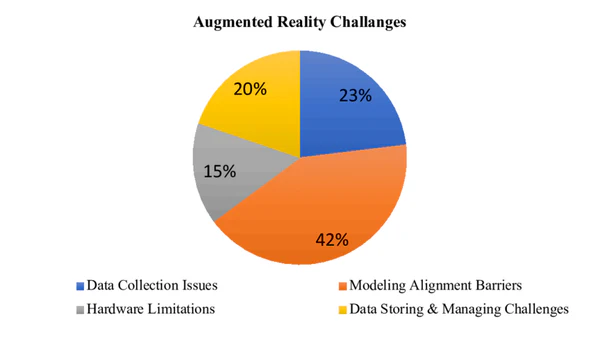
Another challenge is the cost associated with developing AR content and implementing the technology on e-commerce platforms. However, as technology advances and adoption increases, these challenges are likely to diminish over time.
The Future of AR in Online Shopping
The future of AR in online shopping is promising. As technology continues to evolve, we can anticipate more innovative applications and seamless integration into existing e-commerce platforms.
AR has the potential to transform online shopping into a more interactive, personalized, and immersive experience. Retailers that embrace AR will gain a competitive edge by enhancing customer experiences and increasing sales.
Case Studies: Successful Implementation of AR in E-Commerce
Several businesses have already adopted AR in their online shopping experiences, achieving impressive results. Companies like IKEA and Sephora have successfully integrated AR into their mobile apps, allowing customers to visualize furniture and try on makeup virtually.
These case studies illustrate that AR can significantly enhance customer engagement, conversion rates, and overall satisfaction.
Tips for Businesses Looking to Adopt AR for Enhanced Online Shopping
If you're a business considering the adoption of AR for improved online shopping experiences, here are some tips to get started:
- Research and understand your target market's needs and preferences.
- Partner with experienced AR developers to ensure seamless integration.
- Focus on creating intuitive and user-friendly experiences.
- Regularly test and gather feedback to improve AR implementation.
- Stay updated with the latest AR advancements and trends.
Remember, the key to successful AR implementation lies in continually adapting and evolving to meet the dynamic needs of your customers.
In conclusion, the role of AR in enhancing online shopping experiences is significant. From improving product visualization to personalizing the shopping journey, AR has the power to transform the way we shop online. By leveraging AR technology, businesses can create immersive and interactive experiences that lead to increased customer engagement, trust, and sales. Embrace AR today to gain a competitive edge in the ever-evolving world of e-commerce.