

As businesses increasingly focus on improving their customer experiences, the B2B sector is poised for significant growth. By investing in strategies that enhance user interactions and streamline processes, companies can gain a competitive edge and foster stronger client relationships.
In the coming years, businesses that prioritize creating exceptional experiences will likely see substantial benefits. Embracing innovative technologies and practices will not only attract new clients but also retain existing ones, setting the stage for sustained growth and success.
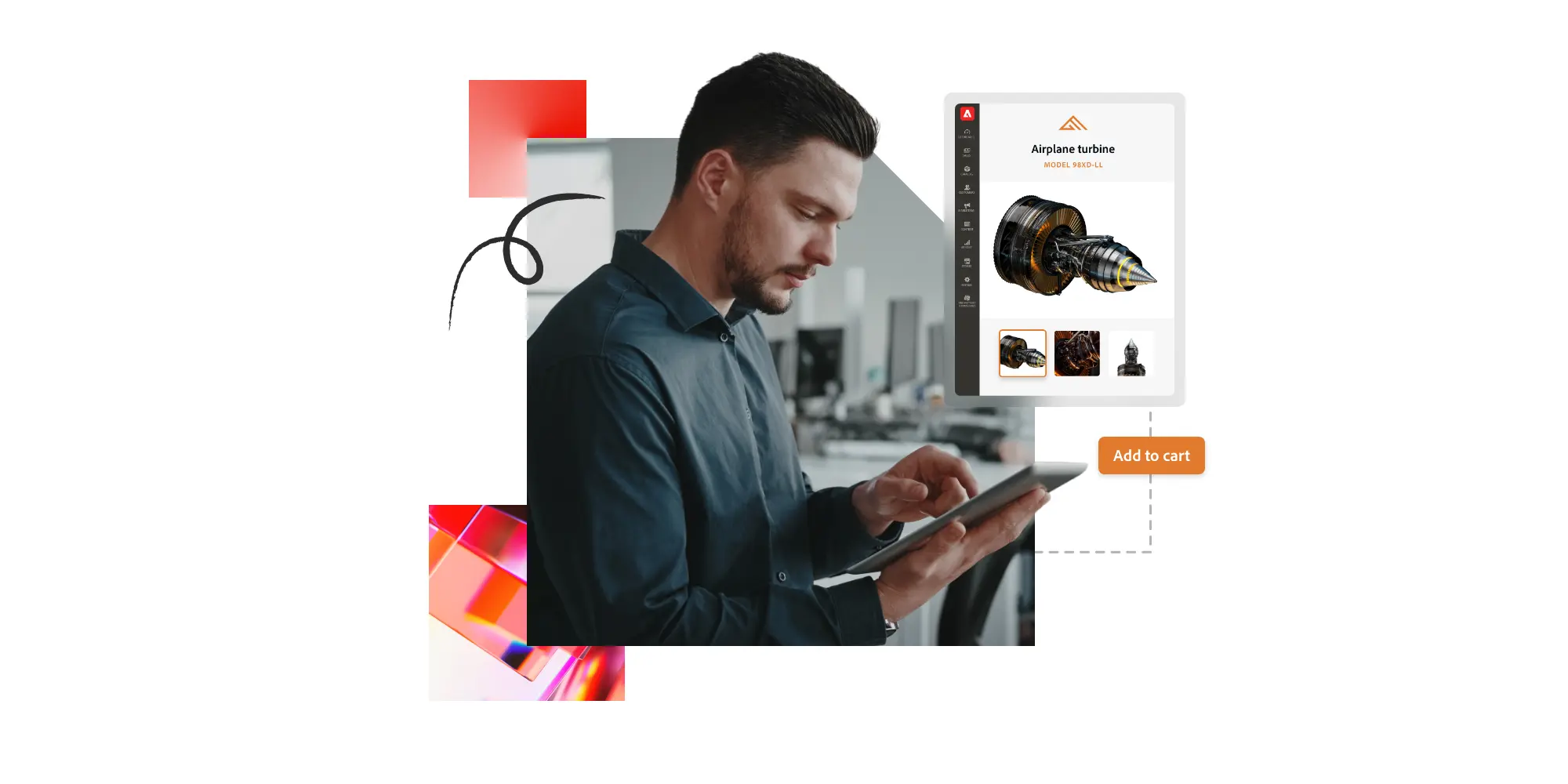
Like many other industries, B2B companies are experiencing a dramatic transformation in their business models. The modern economy is increasingly digital, data-driven, and innovative, putting significant pressure on businesses to continuously evolve their product development, sales strategies, and customer service approaches.
While we often hear about consumer brands like Nike, Walmart, or Apple undergoing these changes, B2B companies such as Grainger, Honeywell, IBM, and Ernst & Young are also embracing technological advancements. They are reinventing their operations through tech hardware and software to stay competitive and relevant in the evolving marketplace.
B2B will never look the same again
The idea of reinvention isn’t new to B2B companies; in fact, they have long been pioneers in innovation. These are the companies that helped create the internet, introduced computers to homes and offices, and developed extensive network infrastructures. If you work in an office, your desk was likely part of a procurement process involving various suppliers. B2B companies continue to innovate, but the focus now is on enhancing the experience for customers, channel partners, and distributors.
In B2B, just as in B2C, providing an exceptional customer experience is crucial. Today’s B2B interactions are becoming the key differentiator in business models. Customers, partners, and distributors expect transparent pricing, online purchasing options, and helpful recommendations to facilitate their tasks. Traditionally, B2B relationships relied heavily on human interaction, complex contracts, and outdated systems.
However, the future of B2B growth lies not in increasing face-to-face interactions, but rather in reducing them. A recent McKinsey study revealed that two-thirds of buyers prefer remote or digital self-service options, with 27% willing to spend over $500,000 without direct contact with a salesperson. Business customers are seeking faster and simpler transactions.
It’s important to remember that B2B customers are also consumers who expect the same seamless experience at work as they do when shopping for personal items. This shift towards innovation and improved customer experience will shape the future of B2B interactions and drive the next wave of growth.

Streamlining Purchases: How Honeywell Marketplace Connects Manufacturers, Customers, and Distributors
Several years ago, Honeywell aimed to revolutionize the way customers purchased parts from its aerospace division. The trade of used aerospace and aircraft parts is a substantial $4 billion market, yet less than 2% of these transactions occur online. Given the complexity of the aerospace industry, which involves navigating millions of part SKUs and numerous aircraft models, the traditional process heavily relied on phone calls and established personal relationships.
Honeywell recognized that this traditional approach was creating significant friction in the purchasing process, restricting their ability to optimize inventory. To address this, they introduced an online marketplace named GoDirect Trade. This innovative platform transformed the industry by shortening the purchase time for airplane parts from days or weeks to just minutes. The marketplace was developed and launched within a swift 12-week period, and by incorporating qualified third-party sellers, Honeywell was able to increase the range of available SKUs without investing in additional inventory.
Through GoDirect Trade, Honeywell not only created a new revenue stream from existing assets but also gained a substantial competitive edge by prioritizing customer experience. This approach exemplifies experience-led growth, demonstrating how focusing on customer needs can drive significant business transformation.

EY unifies its view of accounts and individuals to deepen relationships and scale new digital businesses
EY, also known as Ernst & Young, is transforming one of the world’s largest traditional businesses into a digital enterprise that delivers exceptional customer experiences. EY provides a wide range of services, including consulting, tax, IT, and more, catering to clients from small businesses to Fortune 500 companies. The impact of COVID-19 was significant for EY, as it was for many businesses that relied on in-person meetings. Many clients and service providers were unprepared for remote collaboration. However, EY is now shifting from primarily people-centered services to technology-driven solutions, implementing a variety of mobile and web applications to enhance and optimize their offerings.
This transformation has resulted in a smoother, more efficient customer experience, while also generating valuable data on client relationships. The shift has also increased the effectiveness of EY's marketing efforts, as the company now leverages digital channels to automate demand generation for new service lines. This strategy has led to the delivery of 9,000 leads per month to regional sales teams. By integrating data from various company platforms, EY is achieving quicker, more accurate insights, which are driving improvements in business operations.
Similar to Honeywell’s approach, EY’s digital transformation represents a strategic shift towards growth through enhanced customer experiences. By investing in core assets and leveraging digital innovation, EY is effectively extending the value of its services, positioning itself for continued success in the digital era.
Adobe is solving the experience-led growth equation
As B2B companies focus on the next wave of digital experiences, they need to navigate the complexities of this business model by centering their strategies on three key concepts:
First, knowing your customer involves having a comprehensive view of each account so the entire revenue team is aligned on how to serve and sell across the business. Centralizing data across the enterprise, including CRM systems and purchase behavior, provides a unified view of profiles and accounts. This unified perspective is essential for developing accurate predictive models for customer churn or identifying the next best opportunity.
Second, activating insights means automating experiences that attract new audiences, nurture demand, and trigger alerts for sales teams. This ensures that field teams remain focused on high-value opportunities and customers who are ready to engage. By integrating data with various platforms, businesses can enhance efficiency by turning information into actionable strategies.
Finally, these efforts demonstrate the power of digital transformation. Studies have shown that companies with higher digital maturity are more likely to achieve significant margin and revenue growth compared to their less mature counterparts. As B2B buying journeys increasingly shift online and towards self-service, providing flexibility for prospects to learn about products, ask questions, and engage in both digital and human interactions is crucial. By offering a seamless experience, companies can better meet the needs of today’s buyers, allowing them to interact with their accounts in ways that suit them best.
In both B2B and B2C industries, customer experiences are now the driving force behind growth. Those who acquire deep insights about their customers and align their teams, technology, and processes with business priorities will gain a significant advantage in their industry. This is the essence of experience-led growth, and adopting this approach can pave the way for success.