

Uncover the potential of synthetic data in revolutionizing e-commerce on Shopify.
In today's rapidly evolving digital landscape, e-commerce has become a cornerstone of business success. Online platforms like Shopify provide entrepreneurs with the tools they need to launch and grow their stores, enabling them to tap into a global customer base. However, as the competition intensifies, it is crucial for businesses to stay ahead of the curve, utilizing innovative strategies to attract and retain customers.
One such strategy that is gaining prominence in the e-commerce space is the use of synthetic data. Synthetic data refers to artificially generated data that mimics real-world data. It offers numerous benefits, including enhanced privacy, improved decision-making, and increased efficiency. Let's delve deeper into the advantages of using synthetic data in e-commerce on Shopify.
The Benefits of Using Synthetic Data in E-Commerce
Synthetic data empowers e-commerce businesses with a range of advantages that can significantly impact their success. One key benefit is the ability to overcome data privacy concerns.
With the increasing emphasis on data protection, businesses are tasked with safeguarding customer information. Synthetic data allows companies to generate realistic, yet entirely fictional, customer profiles, eliminating the need to rely on sensitive personal information. This not only enhances customer trust but also ensures compliance with data protection regulations.

Another advantage of synthetic data is its ability to fuel innovation. By simulating various scenarios, businesses can test and refine their strategies without risking any real customer data. This enables agile decision-making and reduces the potential for costly mistakes. Additionally, synthetic data can be used to create vast amounts of data quickly, allowing businesses to train and optimize their machine learning models effectively.
Moreover, synthetic data can play a crucial role in enhancing personalization efforts within e-commerce platforms. By generating diverse sets of synthetic customer data, businesses can tailor their marketing strategies to specific customer segments more effectively. This level of personalization can lead to higher customer engagement, increased conversion rates, and ultimately, improved customer loyalty. With synthetic data, e-commerce businesses can fine-tune their recommendations, promotions, and product offerings to better meet the individual preferences of their customers.
Furthermore, the use of synthetic data can also aid in the development of robust fraud detection systems in e-commerce. By creating synthetic datasets that mimic fraudulent activities, businesses can train their algorithms to recognize and prevent potential threats more efficiently. This proactive approach to fraud prevention can help e-commerce companies minimize financial losses, protect their reputation, and build a secure environment for both customers and merchants.
Understanding the Impact of Synthetic Data on Shopify Stores
When it comes to e-commerce platforms, Shopify stands out as one of the leaders in the industry. By integrating synthetic data into Shopify stores, businesses can unlock a world of possibilities. One significant impact is the ability to personalize the customer experience. Synthetic data can be leveraged to understand customer preferences, purchase patterns, and behavior. Armed with this knowledge, businesses can tailor their product offerings, marketing campaigns, and user interfaces to enhance customer satisfaction and drive sales.
Another area where synthetic data plays a vital role in Shopify stores is inventory management. Accurate forecasting is crucial for ensuring that businesses maintain optimal inventory levels. By using synthetic data to simulate different demand scenarios, businesses can make data-driven decisions, ensuring they have the right products in stock at all times. This leads to improved customer satisfaction, reduced stockouts, and increased profitability.
Furthermore, synthetic data can revolutionize the way businesses conduct market research on Shopify stores. Traditional market research methods can be time-consuming and costly. However, by utilizing synthetic data to create virtual customer profiles and simulate market conditions, businesses can test new products, pricing strategies, and marketing campaigns in a risk-free environment. This not only saves time and resources but also allows businesses to innovate and adapt quickly to changing market trends.
Moreover, the use of synthetic data in Shopify stores can also enhance cybersecurity measures. With the increasing threat of cyber attacks on e-commerce platforms, businesses need to safeguard sensitive customer information. Synthetic data can be used to create dummy datasets for testing security protocols and identifying vulnerabilities in the system. By proactively addressing potential security risks through synthetic data analysis, businesses can strengthen their defenses and protect customer data from unauthorized access.
Implementing Synthetic Data Strategies for E-Commerce Success
While the benefits of synthetic data are clear, implementing effective strategies can pose challenges. One key consideration is data quality. Synthetic data must closely resemble real-world data to provide meaningful insights. Therefore, businesses need to invest in advanced data generation techniques and algorithms to ensure the accuracy and validity of their synthetic data. Additionally, it is essential to regularly evaluate and update synthetic data models as market trends and customer preferences evolve.
Furthermore, collaboration between data scientists, developers, and e-commerce stakeholders is crucial for successful implementation. By fostering a multidisciplinary approach, businesses can leverage the expertise and insights from various teams to maximize the value derived from synthetic data. This collaborative effort can lead to innovative solutions, streamlined processes, and ultimately, e-commerce success.
Overcoming Challenges When Using Synthetic Data in E-Commerce
While synthetic data holds immense promise in the world of e-commerce, it is not without its challenges. One of the primary hurdles is ensuring the accuracy and representativeness of synthetic data. Generating data that accurately reflects the complexity and diversity of real-world customer behavior can be a daunting task. However, advancements in machine learning algorithms and data generation techniques are continually improving the quality and reliability of synthetic data.
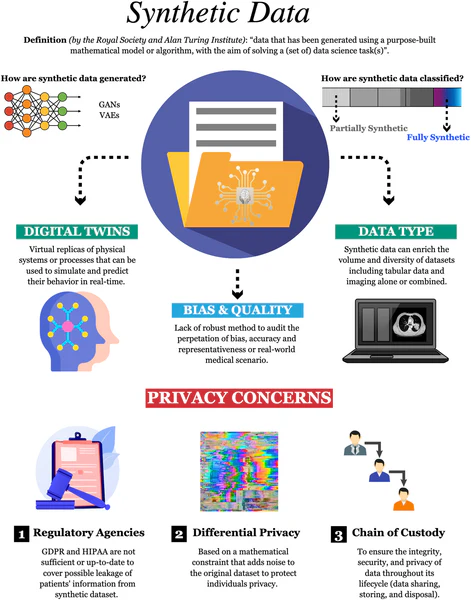
Moreover, businesses must also address the ethical considerations associated with synthetic data usage. While synthetic data eliminates the need for real customer information, there is still a responsibility to handle data with care. Businesses need to establish clear guidelines and protocols for generating, storing, and using synthetic data to ensure customers' privacy is respected.
Utilizing Synthetic Data to Improve Customer Experience on Shopify
In the realm of e-commerce, delivering an exceptional customer experience is essential for boosting sales and fostering brand loyalty. Synthetic data can significantly enhance the customer journey on Shopify platforms. By gaining insights into customer preferences, businesses can customize product suggestions, refine marketing strategies, and improve user interfaces.
Moreover, synthetic data allows for the creation of simulated customer interactions, which helps businesses proactively identify and address potential issues. By studying these virtual encounters, companies can refine and elevate their user experiences, ensuring smooth and captivating interactions that encourage repeat visits from customers.
Ethical Considerations Surrounding the Use of Synthetic Data in E-Commerce
As synthetic data becomes increasingly common in the e-commerce sector, it is vital to address the ethical implications. Even though synthetic data does not utilize actual customer information, it is important to uphold transparency and inform customers when their data is involved in generating synthetic datasets. Balancing the advantages of synthetic data with a commitment to customer privacy is essential for sustainable success and building trust among consumers.
Examining Future Trends of Synthetic Data in the E-Commerce Sector
The application of synthetic data in e-commerce is set to expand in the coming years. With advancements in technology and improvements in data generation methods, businesses will gain access to increasingly realistic and valuable synthetic datasets. This will empower them to achieve deeper insights into customer behaviors, enhance their operations, and maintain a competitive edge in a swiftly changing marketplace.
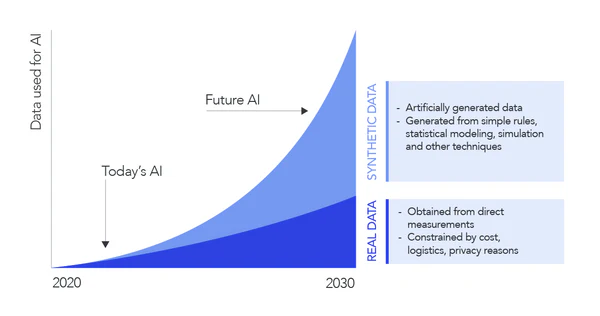
Moreover, the incorporation of machine learning algorithms and artificial intelligence will further amplify the potential of synthetic data. Businesses will harness these cutting-edge technologies to automate operations, tailor customer experiences, and stimulate growth.
Improving Marketing Strategies with Synthetic Data in E-Commerce
In the highly competitive landscape of e-commerce, effective marketing strategies are vital for success. Synthetic data can transform marketing initiatives by enabling businesses to precisely target and segment their audiences. By developing synthetic customer profiles based on diverse demographics, preferences, and buying patterns, companies can deliver highly personalized marketing communications.
Additionally, synthetic data facilitates predictive modeling, allowing businesses to anticipate customer behavior and refine their marketing expenditures. By understanding the probabilities of customer engagement and conversion, organizations can optimize their resource allocation, ensuring the highest return on investment.
The Importance of Machine Learning in Creating Synthetic Data for E-Commerce
Machine learning is essential in the creation of synthetic data for e-commerce. Its capability to identify patterns and generate realistic datasets allows machine learning algorithms to mimic intricate customer behaviors. By training models on authentic data, businesses can subsequently produce synthetic data that closely mirrors genuine customer interactions, preferences, and purchasing habits.
Furthermore, machine learning algorithms can consistently enhance the quality of synthetic data through an iterative learning process. As models gain insights from actual customer data, they can create more precise synthetic datasets that capture subtle details, empowering businesses to make informed, data-driven decisions with confidence.