

The first step in creating a business plan is to answer a critical question: What products or services will you offer?
To answer this, you need to evaluate the product’s potential in the market, assessing both its demand and profitability. Additionally, consider how you can optimize costs and allocate investment resources effectively. This decision is crucial, as it plays a key role in determining the long-term success of your business.
Why do you need to research products?
Product research provides a comprehensive understanding of the market and consumer trends. It helps you assess your organization’s capabilities, understand your competitors, and develop customer personas. With this knowledge, you can make well-informed product choices based on insights gathered from thorough research.
Additionally, product research offers valuable answers regarding sales strategies, such as identifying business opportunities, evaluating product viability, and determining the best sales channels. It also establishes a strong foundation for future brand development, creating opportunities for your business to gradually surpass competitors.
How to find the right products to sell?
There are countless ways to find the best products to sell online, but the following proven strategies will give you a solid foundation for determining which products to pursue. Without further ado, let’s dive into them.
Assess Your Expertise
Before diving into research, it's crucial to start with a clear understanding of yourself and your organization.
You need to identify your business’s strengths. What is your area of expertise? What budget can you allocate for new products? Which industry does your network support? How can you leverage your knowledge and experience to develop products or create value for customers? Answering these questions will help you recognize your core values and competitive advantages, narrowing down your search for potential products to sell.
Identify an Unmet Market Need
Have you ever been frustrated by a product on the market that doesn't fully meet your needs? This may be your golden opportunity to turn that frustration into a business idea.
Many product categories still have untapped potential for innovation and improvement. New brands are emerging every day, which shows there’s room for your ideas and solutions.
Review Market Reports
Market reports offer a comprehensive view of consumer trends, industry growth, and emerging business opportunities.
Make sure to gather insights from reputable sources. Many research firms and organizations publish detailed reports on various industries, and some of these are even available for free.
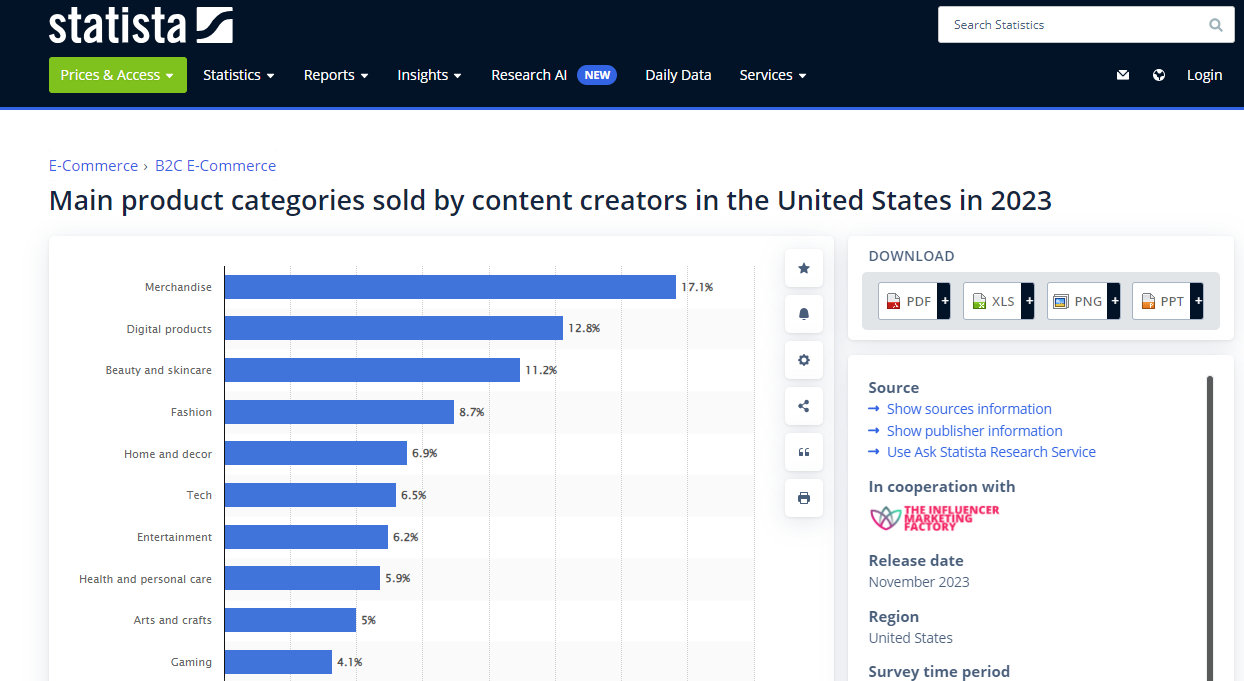
After gathering market reports, the next step is to carefully analyze the data and trends. Focus on important factors such as growth patterns, consumer demand, and assessing the level of competition.
With this analysis, you can develop a strong business strategy that includes product development goals, marketing plans, pricing strategies, and choosing the best distribution channels to reach your customers.
Identify Your Target Audience
Your target audience is the group of potential customers who need your product and are willing to pay for it. Understanding this audience is essential for refining your business strategy, marketing efforts, and sales tactics.
You need to gather essential details like demographics, psychographics, behaviors, and lifestyles. This can be achieved through qualitative research, such as in-depth customer interviews, and quantitative research, such as large-scale surveys.
Additionally, it's important to identify the factors that influence your target audience's purchasing decisions. This includes understanding their problems, the reasons they may choose your product over competitors (e.g., quality, price, features, after-sales service), and the information sources they use to make purchasing decisions.
Keep in mind that your target audience may evolve over time due to shifts in the market, technology, or consumer behavior. Therefore, regularly reassessing your target audience is crucial. Collecting customer feedback, analyzing sales data, and adjusting your strategies accordingly will help you stay aligned with your customers’ needs.
Use Social Media for Market Research
In today's world, social media is not just for connecting with friends or sharing content; it is a powerful tool for discovering product ideas and analyzing market trends.
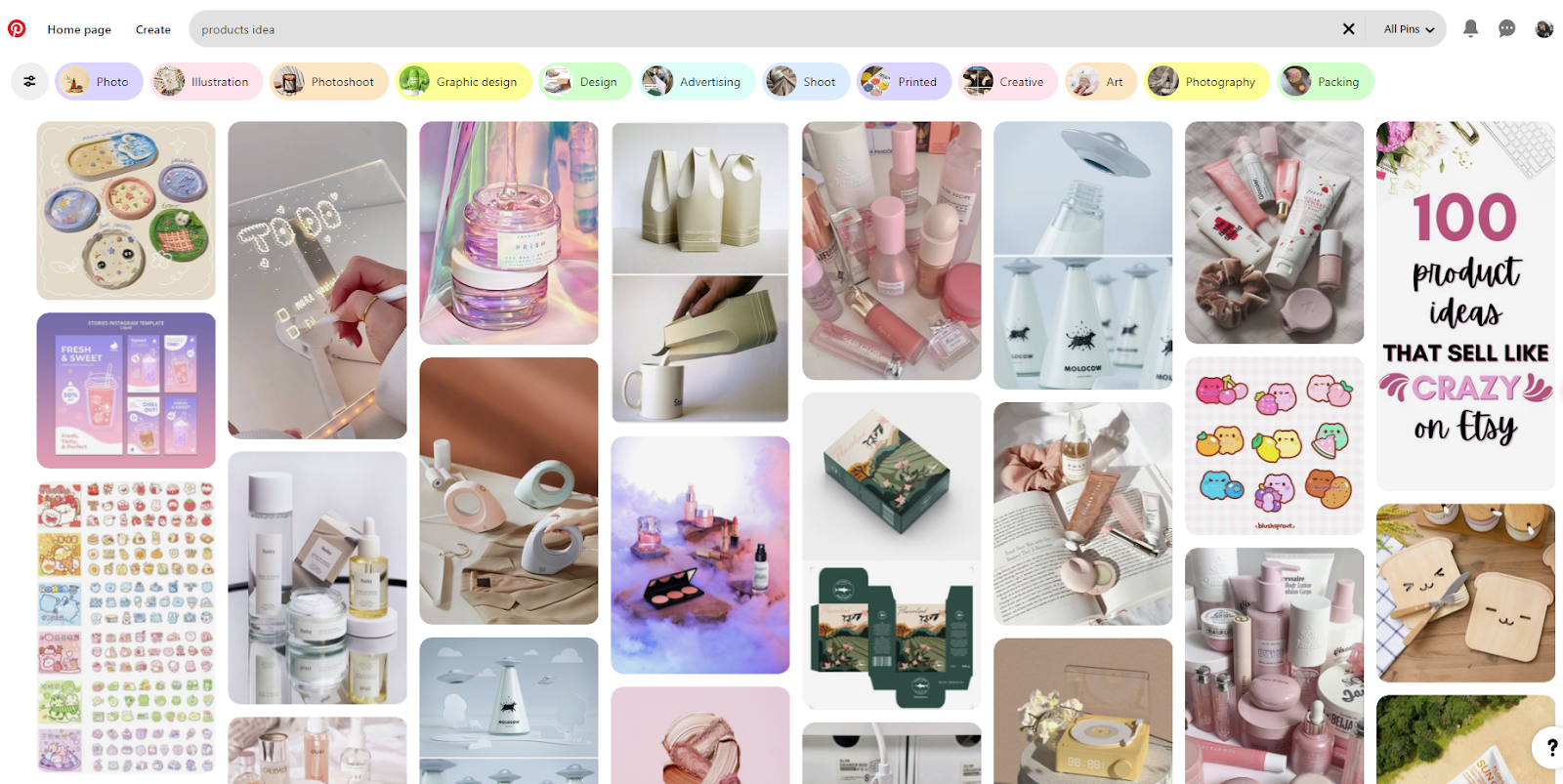
Social media is a great tool for capturing the latest trends, understanding consumer preferences, and identifying products that fit your business needs.
Don’t underestimate platforms like Facebook, Instagram, Twitter, and Pinterest. These platforms provide valuable insights into what’s trending and allow you to interact with customers directly, helping you build stronger relationships and better understand their needs. Using these tools effectively can help you save time and money while discovering the right products for your business.
Explore E-Commerce Platforms
Don't overlook the product ideas available on e-commerce platforms like Amazon, eBay, Etsy, or Shopify stores.
These platforms provide numerous benefits for your business, including staying up-to-date with trends, understanding customer preferences through reviews and comments, exploring niche markets, and analyzing competitors’ strategies to improve your own business approach.
Many e-commerce sites feature "Customers also bought" or "You may also like" sections, which offer product recommendations based on consumer behavior. These sections can serve as excellent sources of inspiration for discovering new products to sell.
Additionally, many platforms offer market analysis tools to track trends and analyze sales data. These tools are invaluable for gaining a deeper understanding of the market landscape.
Attend Trade Shows and Exhibitions
Trade shows and exhibitions are fantastic opportunities to discover new products and learn more about your industry.
These events allow you to directly connect with manufacturers, suppliers, and potential customers. They also provide the chance to stay up-to-date with the latest industry trends and innovations, helping you make more informed decisions about the products you want to sell.

Trade shows and exhibitions are not only valuable for discovering new products but also provide a glimpse into the latest trends and cutting-edge technologies within your industry.
By attending these events, you can gain a deeper understanding of consumer behaviors, emerging technologies, and industry shifts. Experiencing new products and technologies firsthand allows you to assess their potential applications in your own business.
These events are also an opportunity to observe your competitors. Pay attention to their product offerings and marketing strategies to understand how they approach the market and meet customer needs. This information can be invaluable in shaping your own strategies.
Use this opportunity to collect product ideas, take photos, and review them later to assess their fit for your business. Networking with experts and potential business partners during these events can also help you build valuable relationships for future collaborations and exchanges, which can benefit your business in the long term.
Use Keyword Tools for Product Research
In addition to traditional product research methods, you can leverage technology to enhance your search capabilities and find trending products.
Keyword tools such as Google Keyword Planner, Ahrefs, and SEMrush are excellent resources for identifying popular search terms. These tools can help you discover what people are actively searching for, allowing you to align your product offerings with market demand.
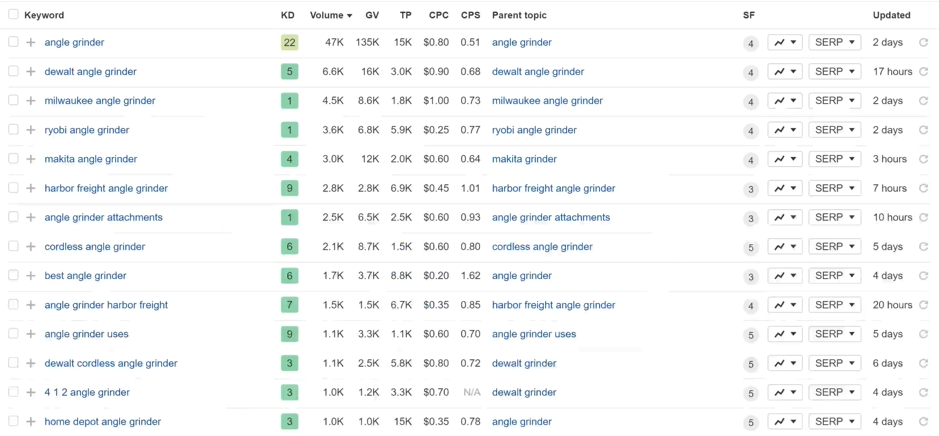
By analyzing trending keywords, you can gain insights into the products that are in high demand in the market. This data can help you align your product offerings with consumer needs and preferences, allowing you to better cater to your target audience.
Consider Personalization in Your Product Offerings
Personalization is not just a trend but a powerful strategy for creating products that cater to specific customer needs. With consumers increasingly seeking personalized products, incorporating this approach into your offerings can provide a significant competitive edge.
To implement personalization effectively, it's essential to understand your customers. This allows you to tailor products to their preferences, whether it's through customizable options like color, size, or material, or even enabling customers to design their own unique items.
Beyond product customization, you should also focus on offering a personalized shopping experience. This could include personalized promotions, as well as customized website and email content that resonates with each customer.
By embracing personalization, you not only enhance customer satisfaction but also drive sales and foster long-term business growth.
Draw Inspiration from Social Changes
Social changes provide a continuous source of inspiration for finding new products to sell. As society evolves, so do consumer needs and preferences.
By identifying and adapting to these changes, you can create products that align with current trends, helping you stay relevant in the market and quickly meet shifting customer demands.
Shaping and Clearly Defining Your Plan to Find the Right Products to Sell
In summary, when deciding on products to sell, shaping and clearly defining your plan is a crucial step to ensuring your business success. A lot of groundwork is necessary before finding the right and effective product.
Determine the product field: Before searching for products, clearly define the field you're interested in and experienced with. This helps you focus on products where you can add the most value and easily adapt to market needs.
Identify customer goals: Understanding your target audience’s demographics, behaviors, psychology, and shopping habits will greatly help you in selecting the right products to sell.
Search for business opportunities: Research the market and trends, analyze competitors, and look for unresolved market issues to identify and develop products.
Analyze business strategy: Build clear goals and business strategies, evaluate finances and resources, and set performance indicators to adjust strategies as needed.
Shaping and clearly defining your plan is an essential step in preparing for product research. With thorough research and a clear strategy, you can maximize your chances of success and increase your market competitiveness.